
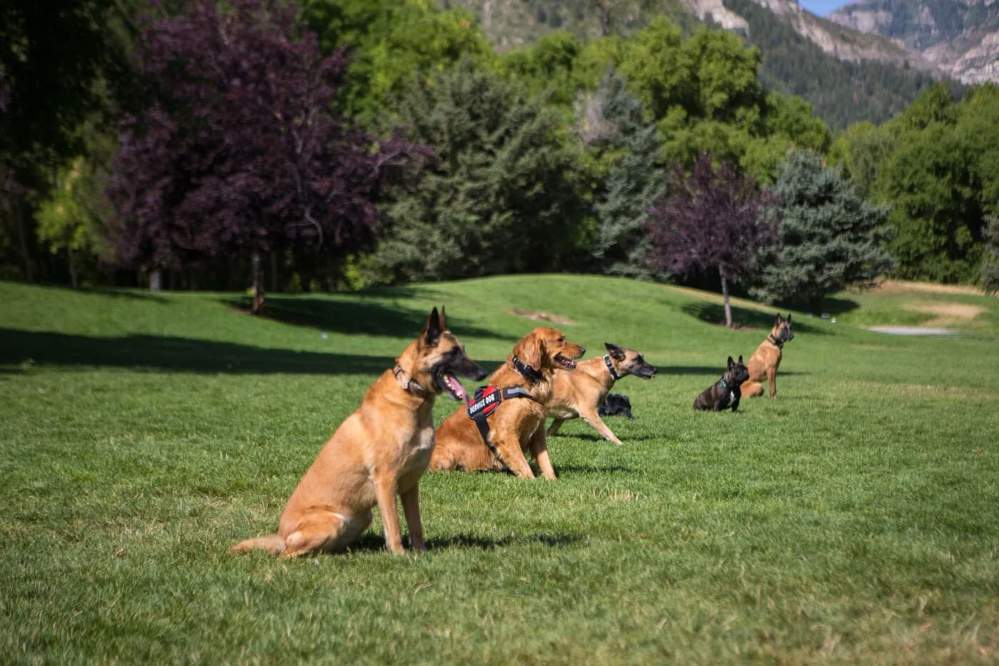
A well-trained dog brings confidence, safety, and enjoyment to everyday life. Whether raising a young puppy or helping an older companion develop better habits, dog obedience instruction Scottsdale provides the structure needed to build reliable behaviors and stronger communication. Effective training goes beyond teaching commands. It helps dogs understand expectations, improves impulse control, and creates positive experiences that strengthen the relationship between dogs and their owners.
Consistent guidance and positive reinforcement allow dogs to develop skills they can rely on in a variety of situations. From neighborhood walks to family gatherings and visits to public spaces, obedience training creates practical benefits that continue throughout a dog’s life. Rob’s Dog Training focuses on helping dogs and their owners build these essential skills through structured, reward-based instruction that supports lasting success.
Why Obedience Training Matters Beyond Basic Commands
Many people associate obedience training with simple commands such as sit, stay, or come. While these skills are important, comprehensive instruction focuses on developing lifelong habits that support better behavior in every environment.
Dogs that receive structured training often demonstrate:
- Better focus around distractions
- Improved confidence in unfamiliar situations
- Stronger impulse control
- Safer interactions with people and other dogs
- Reduced unwanted behaviors
- More enjoyable daily routines
Obedience training also teaches owners how to communicate consistently. Dogs learn more effectively when expectations remain clear, making daily interactions smoother and less stressful.
The Science Behind Effective Dog Learning
Dogs learn primarily through associations. Positive reinforcement strengthens behaviors by rewarding desired actions immediately after they occur. Over time, those behaviors become more consistent because the dog understands which actions produce rewarding outcomes.
Research in animal behavior continues to support reward-based learning as an effective training approach because it encourages motivation, confidence, and engagement while reducing unnecessary stress. Rather than relying on punishment, successful obedience instruction emphasizes teaching dogs what to do instead of focusing only on mistakes.
This learning process builds trust while encouraging dogs to think, respond, and remain engaged with their handlers.
Dog Obedience Instruction Scottsdale Builds Reliable Everyday Skills
Essential Foundation Commands
Every dog benefits from mastering several core behaviors that improve safety and communication.
These typically include:
- Sit
- Down
- Stay
- Come when called
- Leave it
- Drop it
- Heel or loose-leash walking
- Place or settle
Although these commands appear simple, they become valuable when dogs can perform them consistently despite distractions.
Building Reliable Recall
A dependable recall is one of the most valuable obedience skills any dog can learn. Coming immediately when called helps prevent dangerous situations while allowing dogs greater freedom during approved activities.
Reliable recall develops gradually through:
- High-value rewards
- Controlled practice
- Increasing distractions
- Consistent repetition
- Positive reinforcement
Training progresses from quiet indoor environments to more challenging outdoor settings as the dog’s confidence improves.
Loose-Leash Walking Improves Daily Life
Many owners struggle with pulling during walks. Dogs naturally move toward interesting sights, smells, and sounds, making leash manners an important part of obedience instruction.
Loose-leash walking teaches dogs to:
- Stay engaged with their handler
- Maintain an appropriate walking position
- Ignore distractions
- Walk calmly through busy environments
Daily practice makes walks safer and significantly more enjoyable for both dogs and owners.
Socialization Supports Better Obedience
Obedience and socialization work together. Dogs exposed to new environments, sounds, people, and experiences during training often become more adaptable as adults.
Controlled socialization helps dogs learn to remain calm around:
- Children
- Visitors
- Other dogs
- Veterinary clinics
- Outdoor cafés
- Public parks
- Traffic
- Household noises
Rather than overwhelming dogs, gradual exposure paired with positive experiences encourages confidence and emotional stability.
Positive Reinforcement Encourages Long-Term Success
Positive reinforcement remains one of the most effective methods for teaching obedience skills because it creates clear communication between dog and handler.
Common rewards include:
- Treats
- Toys
- Praise
- Play
- Affection
- Access to preferred activities
Rewards motivate dogs while making training enjoyable. As behaviors become reliable, rewards can gradually shift from continuous reinforcement to occasional reinforcement while maintaining strong performance.
Teaching Impulse Control
Many common behavior challenges stem from poor impulse control rather than disobedience.
Dogs naturally become excited when:
- Guests arrive
- Food appears
- Another dog passes
- The leash comes out
- A door opens
Obedience instruction teaches dogs to pause before reacting.
Exercises that improve impulse control include:
- Waiting at doors
- Staying before meals
- Holding a sit while distractions occur
- Remaining calm before greeting visitors
- Practicing extended stays
These exercises encourage thoughtful responses instead of immediate reactions.
Consistency Creates Predictable Behavior
Dogs thrive on routine. Consistency allows them to understand expectations without confusion.
Successful training often follows these principles:
- Use the same verbal cue each time.
- Reward desired behavior immediately.
- Practice regularly in short sessions.
- Gradually increase distractions.
- Avoid accidentally rewarding unwanted behaviors.
When everyone in the household follows the same approach, dogs typically learn more quickly.
Addressing Common Behavior Challenges
Obedience instruction often helps reduce behaviors that interfere with everyday life.
Jumping on People
Many dogs jump because greeting people feels exciting. Teaching an incompatible behavior such as sitting politely replaces jumping with a calmer alternative.
Excessive Barking
Although barking serves as normal communication, obedience training teaches dogs when to remain quiet while identifying situations that trigger unnecessary vocalization.
Pulling on the Leash
Structured leash exercises improve attention and encourage dogs to walk with their handler instead of constantly pulling ahead.
Poor Recall
Dogs that ignore recall commands often need additional motivation, consistent practice, and gradual progression before working in more distracting environments.
Mental Stimulation Improves Behavior
Dogs require mental exercise alongside physical activity.
Obedience sessions challenge dogs to:
- Solve problems
- Focus attention
- Process new information
- Practice self-control
- Strengthen memory
Mental enrichment often reduces boredom-related behaviors such as chewing, digging, or excessive barking.
Training games, scent work, puzzle toys, and short obedience sessions provide excellent cognitive exercise throughout the week.
Adapting Training for Different Ages
Puppies
Young puppies absorb new experiences quickly. Early obedience focuses on:
- Name recognition
- Basic commands
- Confidence building
- Gentle handling
- Positive socialization
- Crate familiarity
Training remains short, enjoyable, and age-appropriate.
Adolescent Dogs
Teenage dogs often test boundaries while experiencing increased independence.
Training during adolescence emphasizes:
- Consistency
- Impulse control
- Focus around distractions
- Reinforcement of foundation skills
Regular practice prevents temporary setbacks from becoming long-term habits.
Adult Dogs
Older dogs continue learning throughout life.
Adult obedience often addresses:
- Household manners
- Recall reliability
- Leash behavior
- Greeting etiquette
- Confidence building
- Behavioral refinement
The idea that older dogs cannot learn new behaviors is a misconception. With patience and consistent reinforcement, adult dogs frequently make excellent progress.
Strengthening the Human-Canine Relationship
Obedience instruction benefits owners as much as dogs.
Training creates opportunities to:
- Improve communication
- Increase trust
- Build confidence together
- Develop teamwork
- Encourage mutual understanding
Rather than viewing commands as strict rules, many owners discover that obedience becomes a shared language that makes daily interactions easier and more enjoyable.
Dogs also become more attentive because positive training encourages engagement rather than avoidance.
Creating Success Through Daily Practice
Long training sessions are rarely necessary.
Instead, brief practice throughout the day produces excellent results.
Examples include:
- Asking for a sit before meals
- Practicing stays while preparing dinner
- Calling the dog from another room
- Reinforcing loose-leash walking during neighborhood walks
- Practicing place during family activities
These small opportunities reinforce learning without requiring lengthy formal sessions.
Common Mistakes That Slow Progress
Even motivated owners sometimes unintentionally make training more difficult.
Common mistakes include:
- Inconsistent commands
- Repeating cues multiple times
- Advancing too quickly
- Training only indoors
- Expecting perfection immediately
- Skipping regular practice
Progress occurs more smoothly when training advances gradually while allowing dogs to succeed at each stage.
Measuring Long-Term Progress
Successful obedience extends beyond whether a dog can perform commands in quiet environments.
Owners should also observe improvements in:
- Confidence
- Focus
- Emotional regulation
- Recovery after distractions
- Responsiveness in new environments
- Ability to relax when appropriate
These improvements demonstrate that learning extends beyond memorizing commands into developing practical life skills.
Supporting Lifelong Learning
Obedience training does not end after completing a class. Dogs continue developing through ongoing practice and positive experiences.
Maintaining strong behaviors includes:
- Regular review sessions
- Continued social exposure
- Mental enrichment
- Physical exercise
- Consistent household expectations
- Positive reinforcement throughout adulthood
Lifelong learning helps dogs remain responsive while adapting to new experiences as family routines evolve.
Final Thoughts
Investing in dog obedience instruction Scottsdale creates benefits that extend far beyond teaching commands. Through consistent practice, positive reinforcement, structured learning, and thoughtful communication, dogs develop reliable behaviors that improve safety, confidence, and everyday life. Owners also gain valuable skills that strengthen trust and create lasting partnerships with their canine companions.
Professional guidance from Rob’s Dog Training helps establish a strong behavioral foundation that supports enjoyable, well-mannered dogs for years to come.