
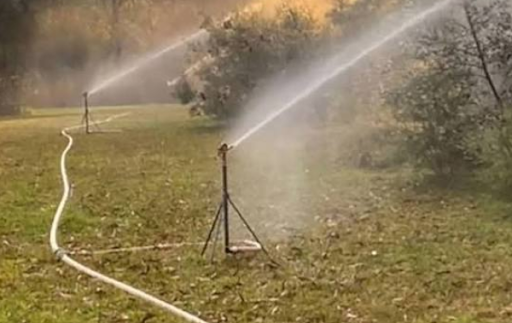
By the time bushfire season starts, built-up readiness begins with more than just cleaned gardens. Water requires a path from where it’s stored to the point of its benefit. The designed external spray system uses a bushfire sprinkler pump for the driving force. Is useable for wet building surfaces prior to a fire when conditions are right. That flow of fluid enhances the practicality of preparation – over theory. Obviously building measures and an early evacuation plan are of importance when combined with equipment. Knowing its benefits can help a property owner plan accordingly for many years before smoke clouds appear on the horizon.
Reliable Water Flow
A sprinkler setup requires consistent flow, rather than just being situated in the area of a tank. The pump circulates water stored in pipework to strategically placed sprinkler heads to water plants. The system can be properly sized to supply water throughout a building site, depending on the site’s layout. A consistent pressure is important because outlets must also have sufficient flow to do their work. A specialist can match the pump to the layout & water supply. It gives an integrated system, not a random assortment of fittings.
Roof Coverage
Windborne embers can fall to places, so this should be addressed, such as rooflines and gutters. Properly placed sprinklers can help to help keep exposed roof surfaces moist until a dangerous situation occurs. Water coverage may also infiltrate towards walls, depending on the design of the system. This targeted distribution is made easier through the use of a bushfire sprinkler pump which provides the required pressure. The proper layout of sprinklers based on a professional plan reflects the shape of the building, the environment, operating conditions, etc. The water system is an integral part of the property preparation with the help of well-placed outlets.
Stored Water
Stored water is already being used on many rural properties and is a common resource in the home. A planned reserve to a dedicated fire protection arrangement can be called into play if necessary. Ensures that the storage capacity and pumping performance match to provide a reliable system. Pipework, valves and outlets will also need to be selected to facilitate delivery. Taking these all into account will provide owners with a better idea of how prepared their property is. It helps you and trained installers to make your talks meaningful and requirement-oriented as well.
Independent Operation
There may be interruptions to services in the event of a bushfire, and alternative power may be beneficial for water systems. Planned operation can be supported by engine-driven pumps/power supplies backed up to an adequate level. Access to the pump is also maintained, and equipment is protected from exposure if the site is a protected pump location. If suitable controls are used, a system might not need to be working by itself with a person standing next to it. That situation can provide an early exit plan, rather than putting off choices. Independent use is most effective if assessed in advance and applied in contingency messaging.
Flexible Placement
Each home is unique in terms of its roof’s pitch, the veranda and wooden outbuildings. The sprinkler plan can be designed based upon those features instead of a template. Installation can cover the roof or external walls and environs. The bushfire sprinkler pump should be designed to supply the outlets planned for effective use. This customised process aids in focusing the flow of water on a beneficial use as identified in the design. During installation, a professional expert will be able to service the sprinklers’ exposure, pattern and access.
Practical Readiness
The more familiar a system is, the longer it is in use, and the more valuable it becomes in terms of its operations until bushfire conditions arise. Regularly conducting tests can validate that the pump turns on and working water reaches the intended outlets. Crack checks and ready supply are also contributing factors to reliable seasonal preparation. Clear instructions enable the family/friends to better understand the equipment and its capabilities and limitations. Having all this knowledge in a written bushfire plan makes it easier to make decisions about planning. The preparation is no longer a reaction or response to warnings; it is a regular routine.
Conclusion
Fire preparation is not a single flashy piece of equipment but thoughtful decisions. A bushfire sprinkler pump can assist with required water application to vulnerable areas of an area. The storage is suitable, and sprinkler placement and power resources are adequate for the system to work together. Professional design will also assure owners that components are chosen for real world conditions. Frequent testing – it helps to keep it familiar and on standby for its purpose. Make sure sprinklers don’t replace warnings or emergency instructions and evacuation plans; crucially, they build resilience. The best method is the use of the appropriate instrument combined with good sense and prompt response. Together this allows young families to be ready with clarity and remain at the forefront of ensuring their own safety.