
Introduction
A home’s foundation supports the entire structure, helping distribute its weight and maintain stability over time. When foundation problems develop, they can affect walls, floors, doors, windows, and other structural components. Choosing an experienced Foundation Repair Contractor is an important step toward identifying the cause of the damage and determining an appropriate repair strategy. Although some foundation concerns develop gradually, addressing warning signs early can help homeowners understand the extent of the problem and avoid unnecessary repairs.
A professional assessment provides valuable information about the property’s condition, the possible causes of movement, and the solutions that may be suitable for the building.
Recognizing Common Foundation Problems
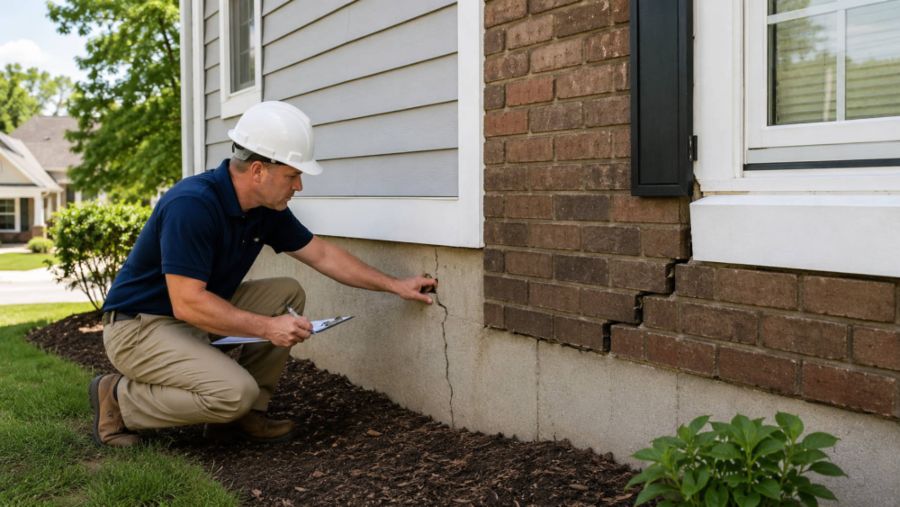
Foundation issues can appear in several forms. Homeowners may notice cracks in interior walls, uneven floors, doors that suddenly stick, or windows that become difficult to open. Exterior brickwork may develop stair-step cracks, while gaps can appear between walls and ceilings or around window frames.
These symptoms do not always indicate serious structural damage. Seasonal changes, ordinary material shrinkage, plumbing leaks, and temperature fluctuations can also cause cracks or minor movement. However, widening cracks, repeated sticking doors, noticeable floor slopes, and changes that occur over a short period deserve professional attention.
Documenting when symptoms first appeared and photographing changes can help a contractor evaluate the situation more effectively.
Why Hiring a Qualified Contractor Matters
Foundation repair requires an understanding of soil conditions, structural loads, drainage, and building construction. A qualified contractor should investigate the underlying cause of a problem rather than recommending a repair based only on visible symptoms.
For example, water accumulating around the foundation may contribute to soil movement, while expansive clay soils can change volume as moisture levels fluctuate. Different causes may require different solutions. Installing a support system without addressing a significant drainage problem may fail to resolve the underlying issue.
Homeowners should look for relevant experience, appropriate licensing where required, insurance, references, and a written explanation of the proposed work.
Understanding the Inspection Process
A foundation inspection typically begins with a review of visible damage and the property’s history. The contractor may examine cracks, floor elevations, exterior grading, drainage patterns, and areas where water enters the building.
Depending on the circumstances, further evaluation may be needed from a structural engineer, geotechnical specialist, or other qualified professional. This is particularly important when movement is extensive, the cause is uncertain, or the proposed repair involves significant structural changes.
Ask the contractor to explain the findings in plain language. A useful assessment should identify the observed problems, discuss likely causes, distinguish confirmed findings from assumptions, and outline appropriate next steps.
Common Foundation Repair Methods
The right repair method depends on the building, soil conditions, foundation type, and severity of movement.
Foundation piers may be used to support portions of a structure when settlement has affected the foundation. The specific pier system and installation method should be selected according to site conditions and engineering recommendations.
Crack repair may be appropriate for certain cracks in concrete or masonry. Repair materials can help seal openings, but filling a crack alone may not correct ongoing structural movement or the source of water intrusion.
Drainage improvements can help manage excess moisture around a foundation. Solutions may include correcting surface grading, repairing leaking gutters, extending downspouts, or addressing drainage systems.
Foundation stabilization may involve engineered reinforcement or other structural measures where the building requires additional support.
A reputable contractor should explain why a particular approach is appropriate and whether additional work is needed to address the cause.
Comparing Estimates and Written Proposals
Obtaining more than one estimate can help homeowners understand available options and compare costs. However, the lowest price is not necessarily the best value. Estimates should be compared according to scope, materials, installation methods, site preparation, cleanup, and warranty terms.
A detailed proposal should describe the work to be completed, any exclusions, the expected schedule, payment arrangements, and procedures for handling unexpected conditions. Ask whether permits or engineering documents are required and who is responsible for obtaining them.
Avoid relying solely on verbal promises. Written documentation makes it easier to understand the contractor’s responsibilities and resolve disagreements if expectations differ.
Understanding Warranties and Maintenance
Foundation repair warranties can vary considerably. Some cover specific materials or workmanship, while others include defined conditions for structural support systems. Homeowners should read the warranty carefully and understand its limitations, transferability, maintenance requirements, and claim procedures.
A warranty does not eliminate the need to manage moisture and drainage around the home. Keeping gutters clear, directing downspouts away from the foundation, and correcting persistent water accumulation can help protect the structure.
Homeowners should also monitor previously identified cracks and report significant changes to a qualified professional.
Questions to Ask Before Hiring
Before choosing a contractor, ask about their experience with similar properties, relevant credentials, insurance, references, and proposed repair methods. Request an explanation of the underlying cause and ask whether an independent engineering assessment would be beneficial.
It is also useful to clarify how the work may affect landscaping, driveways, interior finishes, and access to the property. Confirm how the site will be protected during construction and what cleanup is included.
A trustworthy contractor should welcome reasonable questions and provide clear, consistent answers without pressuring homeowners into immediate decisions.
Conclusion
Choosing the right Foundation Repair Contractor begins with understanding the property’s symptoms, identifying the cause of the problem, and evaluating repair options carefully. A thorough inspection, detailed written proposal, appropriate qualifications, and clear warranty terms can help homeowners make informed decisions. By addressing drainage concerns, monitoring changes, and seeking professional advice when warning signs appear, property owners can take practical steps to protect their homes and maintain long-term structural stability.