
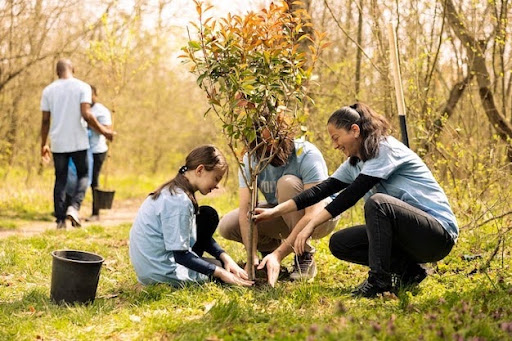
Regular tree care helps homeowners maintain outdoor spaces. Trees provide shade, support wildlife, and improve a property’s appearance, but they need attention throughout the year. Checking soil moisture, inspecting branches, and protecting roots can prevent avoidable problems. The right routine depends on each tree’s age, species, soil, and local weather.
1. Water Trees According to Their Needs
Effective tree care starts with appropriate watering, especially for new trees and during dry weather. Water slowly and deeply around the root zone rather than giving splashes.
Check soil moisture first because overwatering can damage roots. Adjust watering to rainfall, soil type, temperature, and the tree’s age.
2. Apply Mulch Correctly
Good tree care includes a layer of organic mulch to retain moisture, moderate soil temperature, and reduce weeds.
Spread wood chips or bark in an even ring around the tree. Keep mulch several inches away from the trunk and avoid piling it against the bark. Correct mulching protects roots and reduces damage from lawn mowers and trimmers.
3. Prune Carefully and at the Right Time
Tree care includes removing dead, broken, or crossing branches when appropriate. Use clean tools for small branches you can reach safely, and avoid cutting too close to the trunk.
Do not remove too much live growth or cut the top off a tree to control its height. Leave large limbs and complex pruning to a qualified arborist.
4. Inspect for Pests and Disease
Tree care includes checking leaves, branches, bark, and trunks for unusual spots, holes, wilting, cracks, fungal growth, or sudden leaf loss. Early inspection can reveal problems before they become serious.
Avoid applying pesticides without identifying the likely cause, since symptoms can have several explanations. If damage spreads or a tree declines quickly, seek professional advice.
5. Protect Roots and Trunks
Healthy roots need oxygen, water, and space. Avoid piling soil against the trunk, compacting ground with heavy equipment, or digging near major roots. Keep lawn mowers and trimmers away from bark because repeated wounds can weaken trees.
Good tree care also means choosing species suited to the available space and protecting new trees as they establish.
6. Know When to Call a Professional
Tree care professionals should assess a tree with large dead limbs, deep cracks, a leaning trunk, or branches near power lines. Never climb trees or use a chainsaw near electrical wires yourself.
Ask for proof of qualifications, insurance, and a written estimate before hiring a service. Professional assessment is important after storms or when damage threatens people or property.
Final Thoughts
Consistent tree care helps homeowners support healthy trees and notice problems early. Water according to soil conditions, apply mulch correctly, prune cautiously, and inspect trees throughout the year. Avoid unnecessary fertilizer or treatments unless the tree’s needs have been assessed. For hazardous branches or uncertain symptoms, consult a qualified arborist instead of attempting risky work yourself. With regular observation and informed decisions, homeowners can protect their landscape, reduce preventable damage, and help trees remain valuable features of their property for years, while improving outdoor comfort and supporting wildlife.